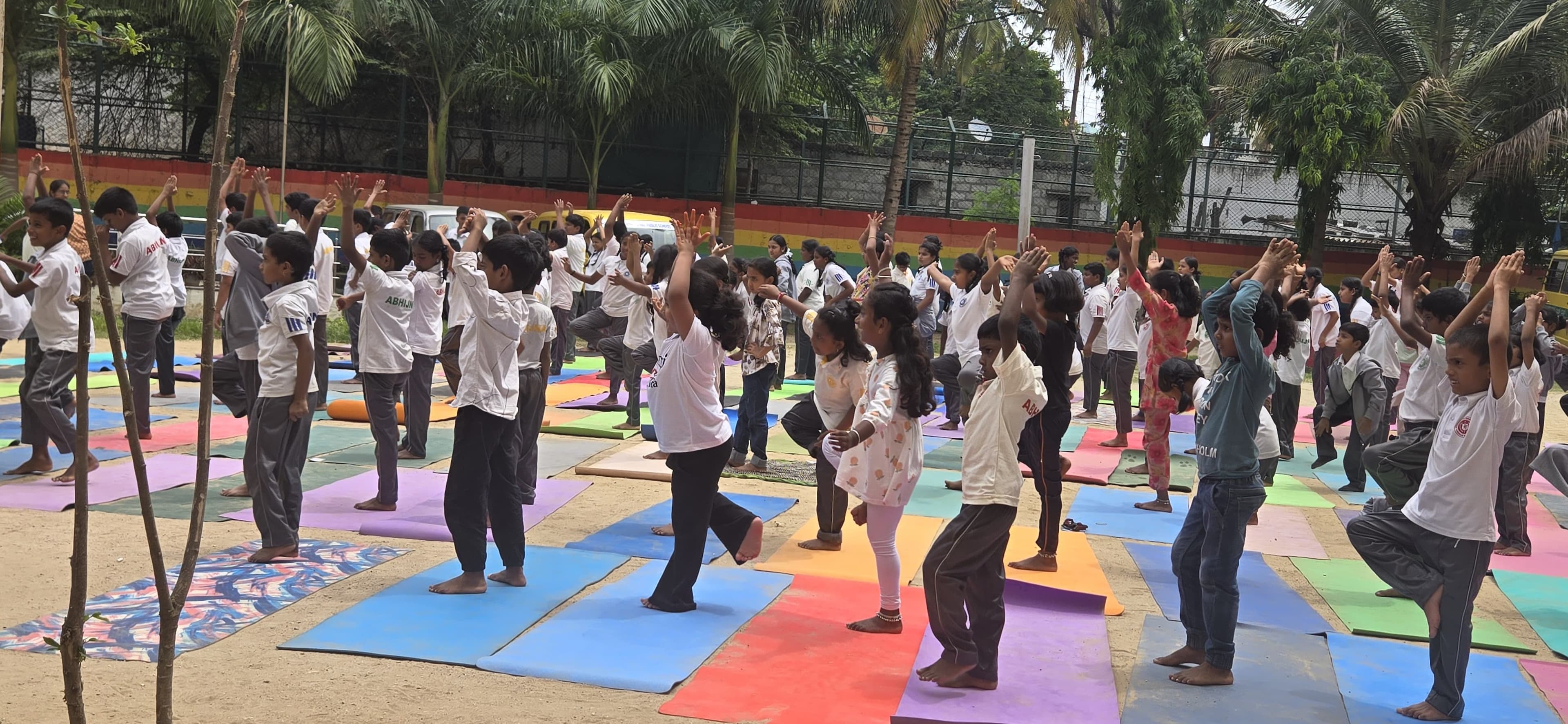
Creating a lasting social impact is one of the most rewarding endeavors an individual or organization can undertake. However, true change goes beyond quick fixes or temporary charity. It requires a systematic, empathetic, and structured approach to address the root causes of societal gaps. In rapidly growing urban centers and remote rural areas alike, sustainable development hinges on building community capacity rather than fostering dependency.
Understanding the Core Paradigm: Charity vs. Systemic Change
While charitable donations and emergency relief drives are critical during crises, they are transactional. Once resources are consumed, the beneficiaries often return to their initial state of vulnerability. Systemic change, on the other hand, reorganizes the structures that created the problem. According to a 2024 analysis by the Stanford Social Innovation Review (SSIR), social impact initiatives designed with community-led capacity building are significantly more likely to achieve sustainable outcomes beyond five years than top-down charity models. By changing the framework from giving assistance to building agency, we empower individuals to shape their own futures.
Step 1: Identify the Root Problem & Define Your Cause
Before launching any social campaign, it is vital to research and map out the community. Many programs fail because they address symptoms rather than the disease. Spend time listening to community members, gathering quantitative data, and mapping out structural issues. As a community, we believe that charity addresses the immediate hunger of today, but systemic design builds the agricultural infrastructure for a generation. At COMPASSION CREW, we begin every project by visiting the neighborhood, interviewing families, and aligning our goals with their self-identified needs.
Step 2: Establish Clear, Measurable Goals
A vague mission statement like 'helping children' makes it hard to coordinate resources. Instead, set Specific, Measurable, Achievable, Relevant, and Time-bound (SMART) goals. For example: 'Provide weekly basic digital literacy mentorship to 50 children in the Bangalore municipal schools by December 2026.' Clear goals enable volunteer coordinators to design precise lesson plans and track progress.
Step 3: Design Sustainable, Empowerment-Focused Solutions
Focus on programs that teach skills, build infrastructure, or provide resource pathways that allow beneficiaries to ultimately support themselves. Co-create solutions with the local community to foster ownership. Whether it is vocational tailoring for women, digital workshops for youth, or animal welfare awareness, the ultimate goal should be self-reliance.
Step 4: Build a Dedicated Team and Partner Network
No single person can create systemic change alone. Connect with local volunteers, corporate partners, and other social impact communities. COMPASSION CREW, for instance, thrives because of a strong network of coordinators and passionate volunteers who share a unified vision. Utilizing platforms like iVolunteer or Youth for Seva helps aggregate community talent for maximum collective impact.
Step 5: Mobilize Resources & Maintain Legal Compliance
Structure your fundraising, logistics, and compliance. Transparency builds trust. Offering clear pathways for donation allocation helps mobilize individual support that fuels ground operations. Be completely transparent with your financial statements and regularly publish impact assessment logs.
Step 6: Measure, Document, and Scale Impact
Collect data continually. Document before-and-after conditions, write case studies, and record quantitative stats (e.g. lives impacted, children educated). Share these stories with your network to attract more support. Once a model is proven successful in one Bangalore neighborhood, codify the processes and scale it to other locations across Karnataka and India.