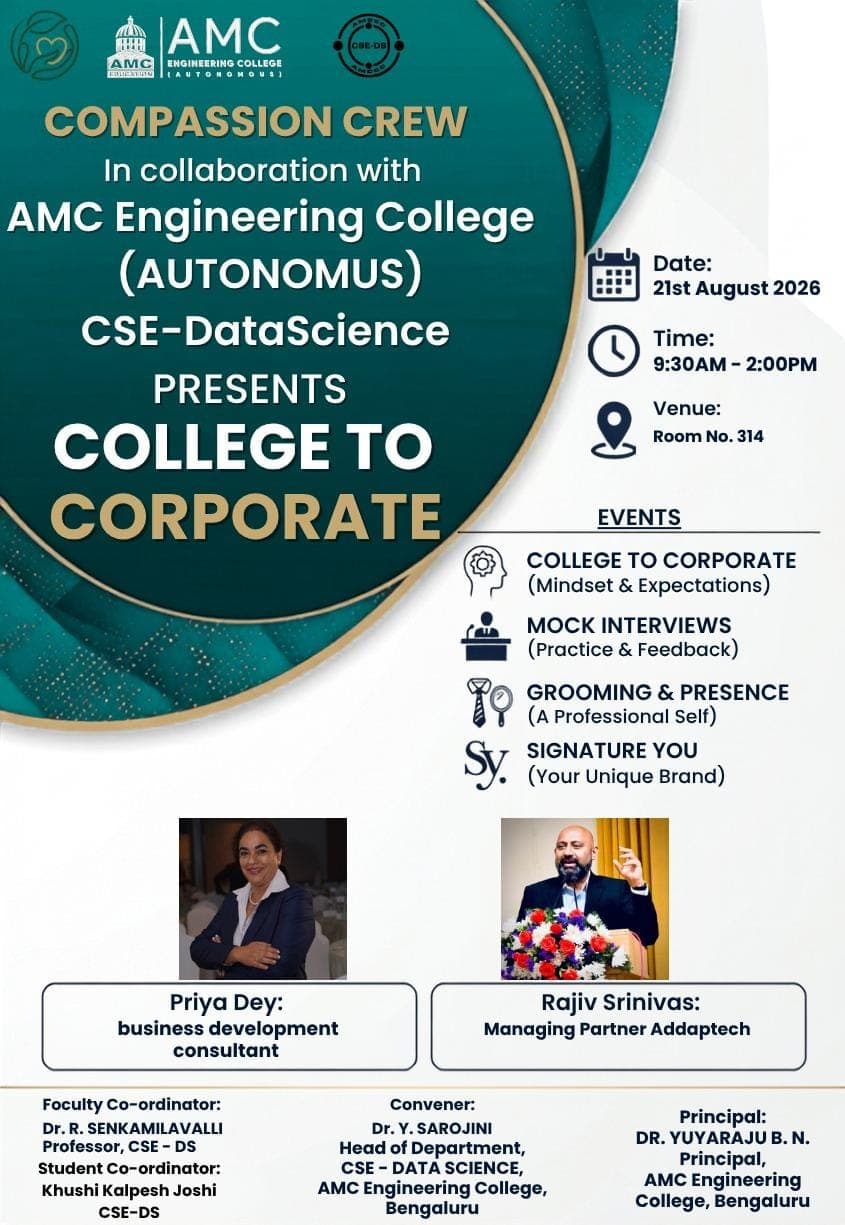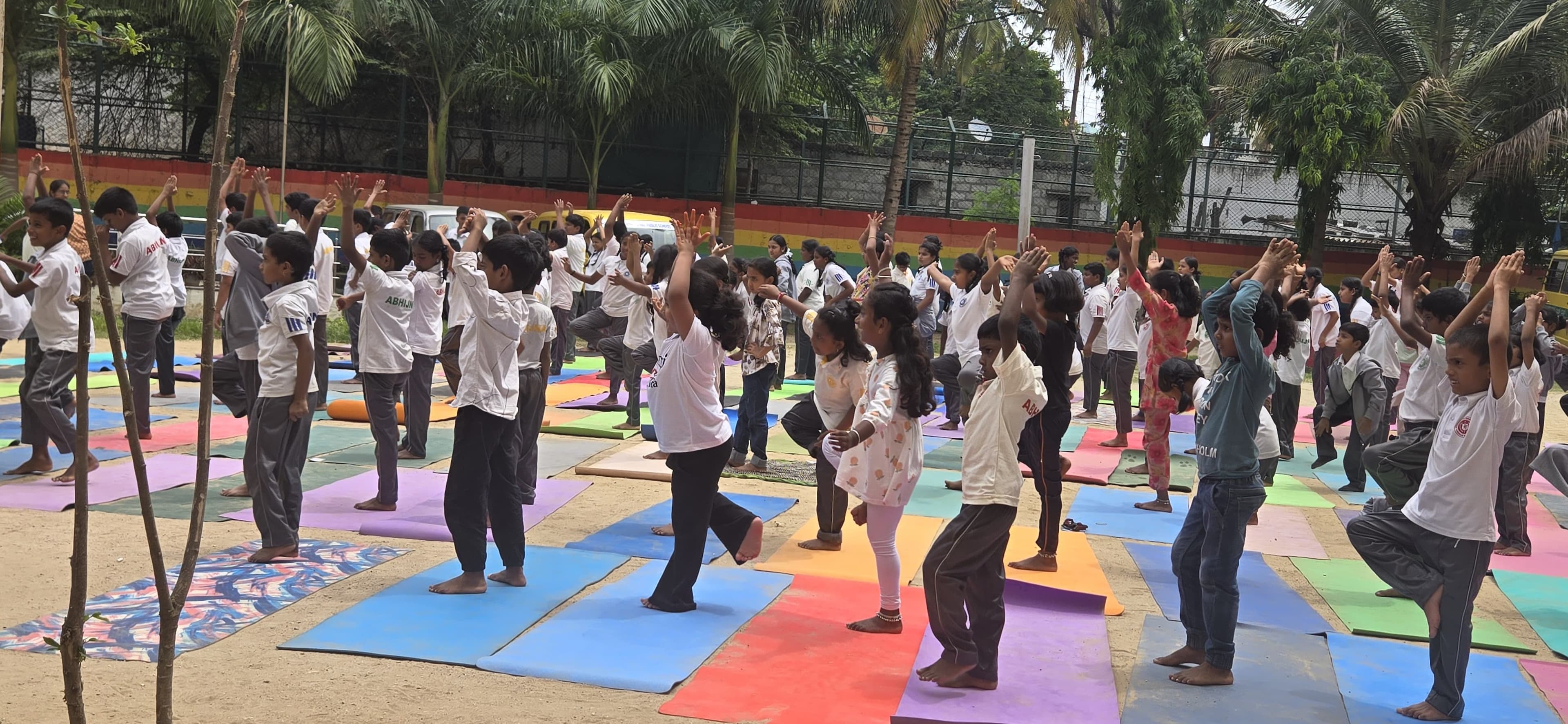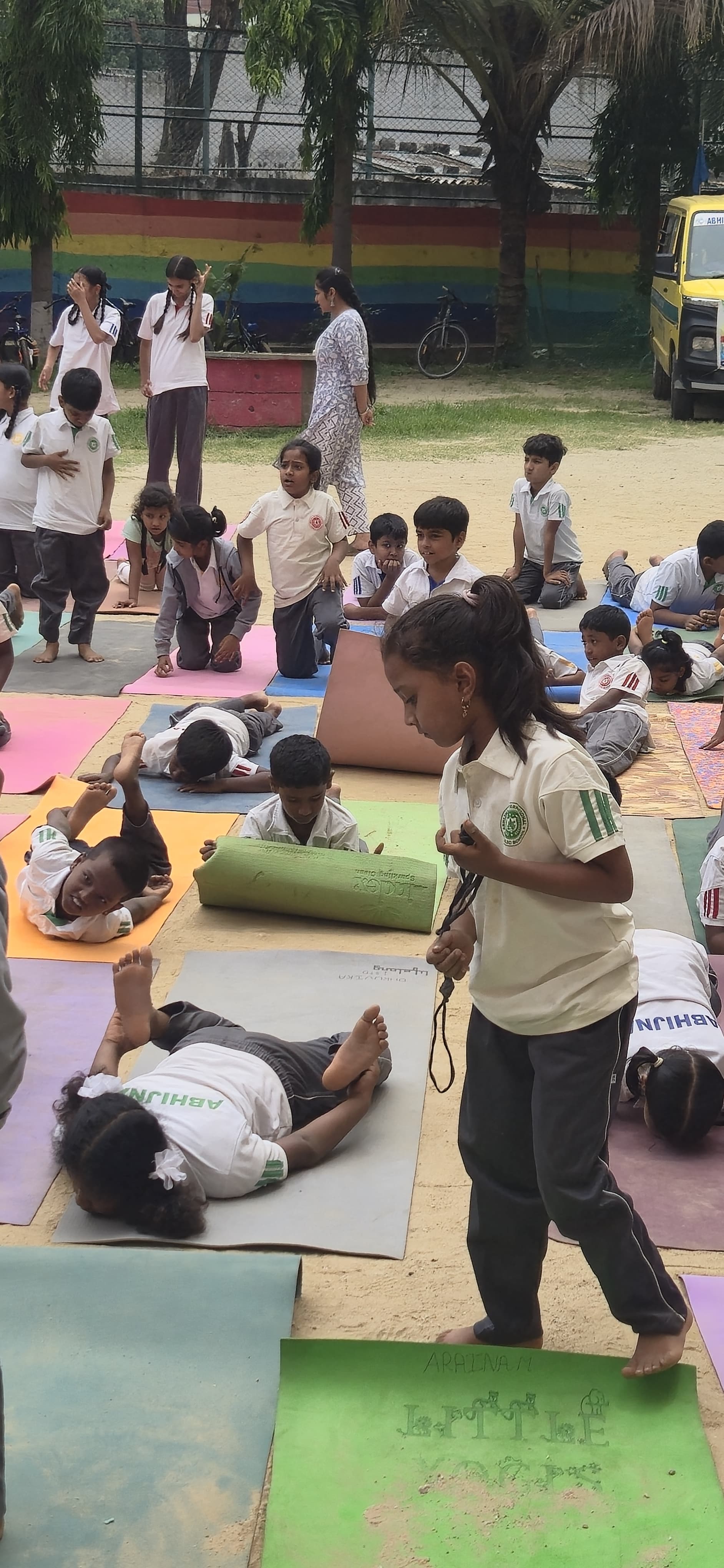
Access to quality education is a fundamental right, yet millions of children from underprivileged backgrounds face structural barriers. They lack not just school supplies, but mentorship, role models, and exposure to digital skills. We believe that youth mentorship is the bridge to close this gap. By connecting passionate volunteers with eager young minds, we can create educational spaces that inspire lifelong learning and enable children to unlock their true potential.
The Structural Divide in Public Education
Schools teach standard curricula, but they rarely prepare children for the digital-first economy or teach critical thinking. Underfunded public schools often lack computer labs, individual attention, and extracurricular exposure. According to the UNESCO Global Education Monitoring Report, the digital divide in developing regions limits the opportunities of underprivileged youth due to a lack of technical literacy and professional mentorship. Structured mentorship programs are crucial in bridging this gap.
Mentorship as a Catalyst for Self-Belief
Mentorship is not just about academic tutoring; it is about building confidence and expanding aspirations. Many children from low-income communities have never met a software engineer, a doctor, or an entrepreneur. Meeting a mentor who shows interest in their future helps children dream bigger. An evaluation report published by the Indian Ministry of Education highlights that structured mentorship programs significantly improve school retention rates and academic outcomes among low-income students. Mentorship provides the social capital that public curricula alone cannot deliver.
Focus Pillars: Digital Literacy, Spoken English, and Creative Arts
Compassion Crew's education programs prioritize three core pillars. Digital literacy bridges the technology gap, spoken English builds communication confidence, and creative arts encourage self-expression. We organize interactive games, storytelling sessions, and hands-on computer workshops that make learning active and enjoyable.
How You Can Help: Become a Mentor
You don't need to be a professional teacher to make a difference. Spending just a few hours a month teaching basic computer literacy, playing creative games, or reading stories to children can completely transform their learning trajectory. Consistency is key—showing up regularly builds trust and shows these children that their growth matters. If you are unable to volunteer your time, you can also support our learning centers through a donation to help provide tablets, laptops, and study materials.